

JPMorgan's $50 billion buyback and dividend hike: major banks raise payouts after the Fed stress test
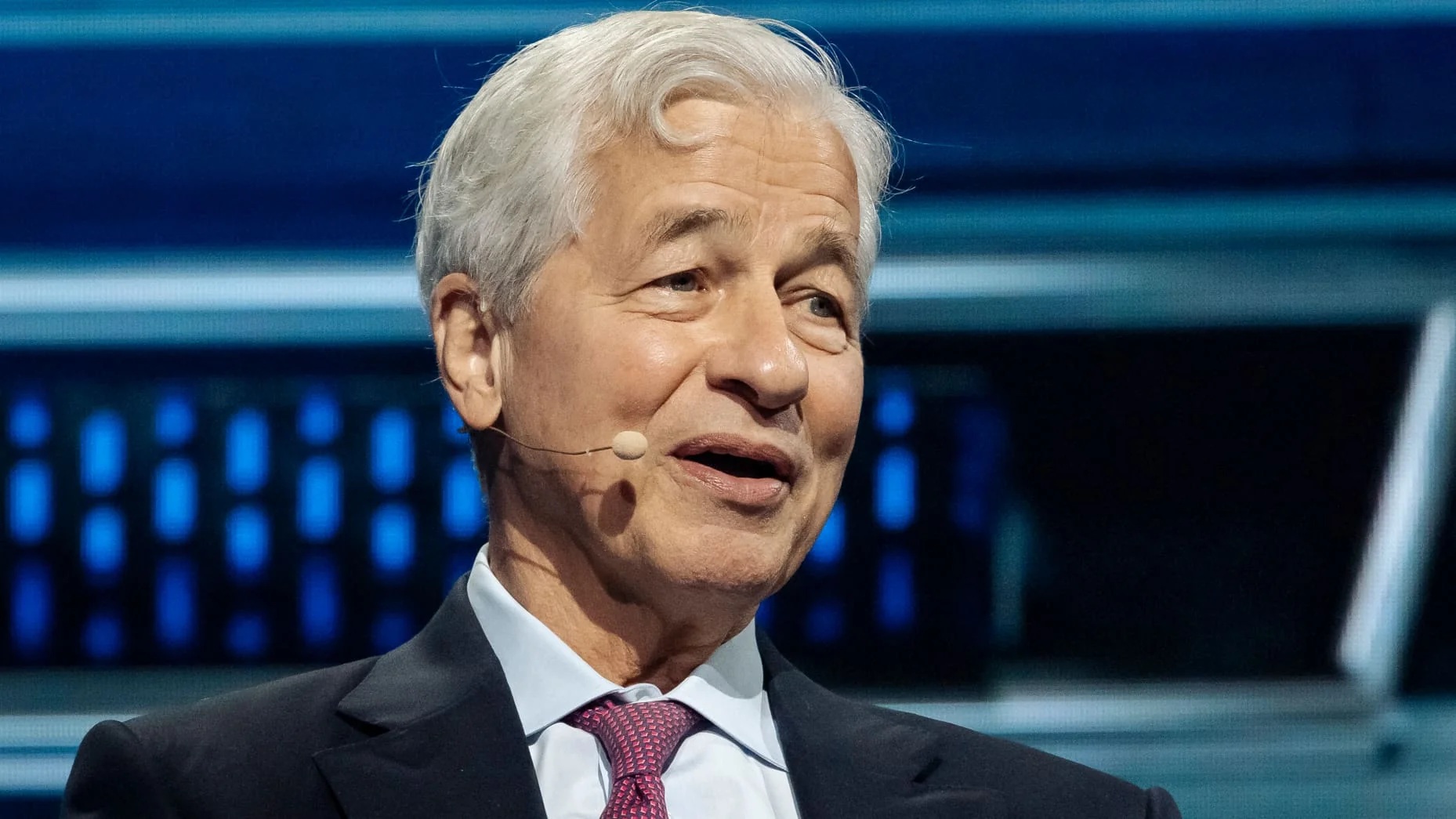
JPMorgan Chase on Wednesday announced a new $50 billion share buyback plan and raised its quarterly dividend after the Federal Reserve's annual stress test showed the industry remained "well capitalized" under pressure scenarios.
As the largest U.S. bank by assets, JPMorgan said it will raise its quarterly dividend by 10% to $1.65 per share, subject to board approval, and authorized the buyback program effective July 1.
JPMorgan CEO Jamie Dimon said: "The board's proposed dividend increase reflects continued investment in our business and strong financial performance. We are also prepared for a range of scenarios, including the hypothetical 2026 regulatory 'severely adverse' scenario."
Meanwhile, Goldman Sachs also raised its quarterly dividend, saying it would increase the payout by 11% to $5 per share and citing strong earnings and capital levels.
Wells Fargo said it expects to raise its dividend by 11% to $0.50 per share. Morgan Stanley lifted its dividend by 15% to $1.15 per share and reauthorized a $20 billion multi-year common stock repurchase program.
Bank of America CEO Brian Moynihan said the bank will announce its dividend plans next month.
Fed stress test results: major banks still above minimum capital requirements
The announcements followed the Fed's annual stress test, which showed 32 large banks remained above minimum capital requirements under the hypothetical scenario, even as the industry faced more than $708 billion in projected recession losses.
Unlike in prior years, however, this year's result will not affect banks' capital requirements. The Fed had previously said it would keep the stress capital buffer unchanged through 2027 and implement that arrangement while reforming its stress-testing methodology. That means banks already knew their capital requirements when they moved on Wednesday.
Market interpretation: despite regulatory uncertainty, banks still choose to raise payouts
Although analysts expect the stress test to have limited short-term impact, one sign of confidence is that banks are still pushing ahead with higher payouts during the regulatory transition period.
In a research note before the results were announced, KBW described this year's stress test as "going through the motions" and said investors are more focused on the Basel III Endgame proposal expected later this year than on the Fed's annual test itself.
This is a developing story. Check back for updates.